March 23, 2026
Retaining walls are vital structures in landscaping that offer more than just aesthetic enhancement. These walls, often made of stone, concrete, or wood, play a crucial role in preventing soil erosion and managing water runoff, thereby protecting home foundations. In this article, we aim to explore several ways retaining walls serve in these protective roles. The detailed segments will not only discuss soil stabilization and water management but also delve into aspects like aesthetics, space utilization, and potential property value increment. For homeowners and gardening enthusiasts, the insights shared herein provide practical guidance on maintaining and maximizing the benefits of retaining walls.
1. Preventing Soil Erosion
Retaining walls stabilize soil by creating solid boundaries that prevent soil movement. This stabilization is crucial in areas with steep slopes or uneven terrain, where soil is more prone to shifting. By ensuring that the soil stays in place, these walls protect plants and infrastructure that rely on stable ground. For example, many agricultural lands on hilly terrains use terraced retaining walls to prevent soil erosion and optimize farming. These walls are engineered to counteract gravitational forces and provide long-lasting structural support.
Properly designed retaining walls distribute soil weight evenly and maintain the natural landscape. The walls act as load-bearing structures that keep soil from collapsing down slopes. Reinforced with various materials, they provide adequate pressure resistance and lateral support. Additionally, retaining walls can be layered in terraced designs to enhance stability and maximize land usage. By maintaining the integrity of the landscape, these walls not only prevent erosion but also allow for the integration of plant life, which further stabilizes the soil.
Though the installation involves careful calculations and skill, the benefits yielded include enhanced soil stability and reduced risk of landslides. Particularly, in regions susceptible to heavy rainfall or flooding, retaining walls prove indispensable. Through proper design and construction, these structures turn problematic terrains into secure, usable spaces. This transformation is often captured in before-and-after scenarios, showcasing remarkable improvements in landscape stabilization. Moreover, the long-term cost savings from reduced erosion damage far outweigh the initial installation expenses.
2. Managing Water Runoff
Retaining walls are effective tools in managing water runoff, providing both physical barriers and directing water flow. These structures are commonly used to create terraced landscapes that help slow down and control the flow of water. In doing so, they prevent soil erosion and flooding by redirecting excess water away from vulnerable areas. This redirection is achieved through well-engineered sloping designs that guide water to designated drainage points. By mitigating the impact of rainfall, retaining walls enhance the land's resilience against water-related damage.
The utility of retaining walls extends beyond mere water diversion; they also contribute to comprehensive drainage solutions. Integrated drainage systems, such as perforated pipes behind retaining walls, allow for controlled water dispersal. This design helps prevent water pressure buildup that could compromise the wall's structural integrity. Additionally, walls with built-in weep holes facilitate natural drainage, maintaining the balance between soil moisture and water management. This strategic incorporation of drainage features exemplifies the multifunctional nature of retaining walls.
Case studies and projects often highlight the success of retaining walls in reducing surface runoff and flooding risks. Communities that previously experienced chronic flooding issues have seen vast improvements post-installation of retaining systems. Retaining walls, when correctly implemented, provide a reliable, low-maintenance solution to water management challenges. Through these strategies, water is turned from a potential hazard into a manageable resource. This shift not only preserves the aesthetic and structural integrity of landscapes but also supports sustainable environmental stewardship.
3. Supporting the Stability of Your Home
Retaining walls also play a critical role in protecting the structural integrity of a home’s foundation. When soil shifts or erodes near a structure, it can place uneven pressure on foundation walls and footings. Over time, this pressure may lead to cracks, settling, or water infiltration that compromises the stability of the home. By holding back soil and maintaining consistent grading around the property, retaining walls help prevent these issues before they begin.
In addition to stabilizing soil, retaining walls can help direct water away from the base of a home. Poor drainage often allows water to pool near the foundation, increasing the risk of hydrostatic pressure and basement leaks. A properly designed retaining wall system works with drainage solutions—such as gravel backfill and perforated pipes—to channel water safely away from the structure. This reduces moisture buildup in the soil surrounding the foundation and helps maintain long-term structural health.
For homes built on slopes or uneven terrain, retaining walls act as an essential buffer between the landscape and the structure. They create controlled levels in the yard that keep soil and water from migrating downhill toward the home. This added layer of protection supports foundation stability while preserving the surrounding landscape. Over time, the result is a safer property with fewer costly repairs related to structural movement or water damage.
4. Enhancing Landscape Aesthetics
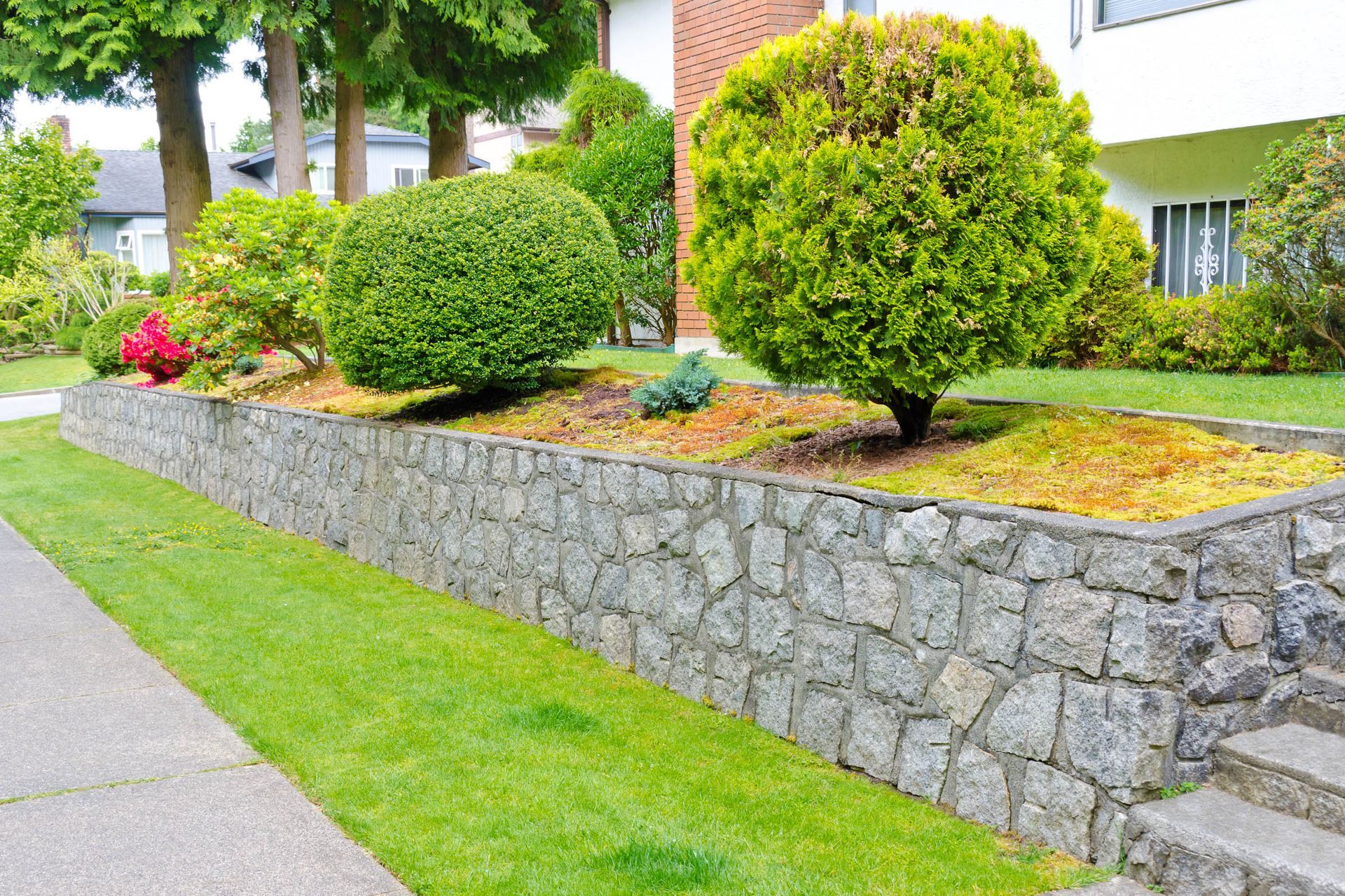
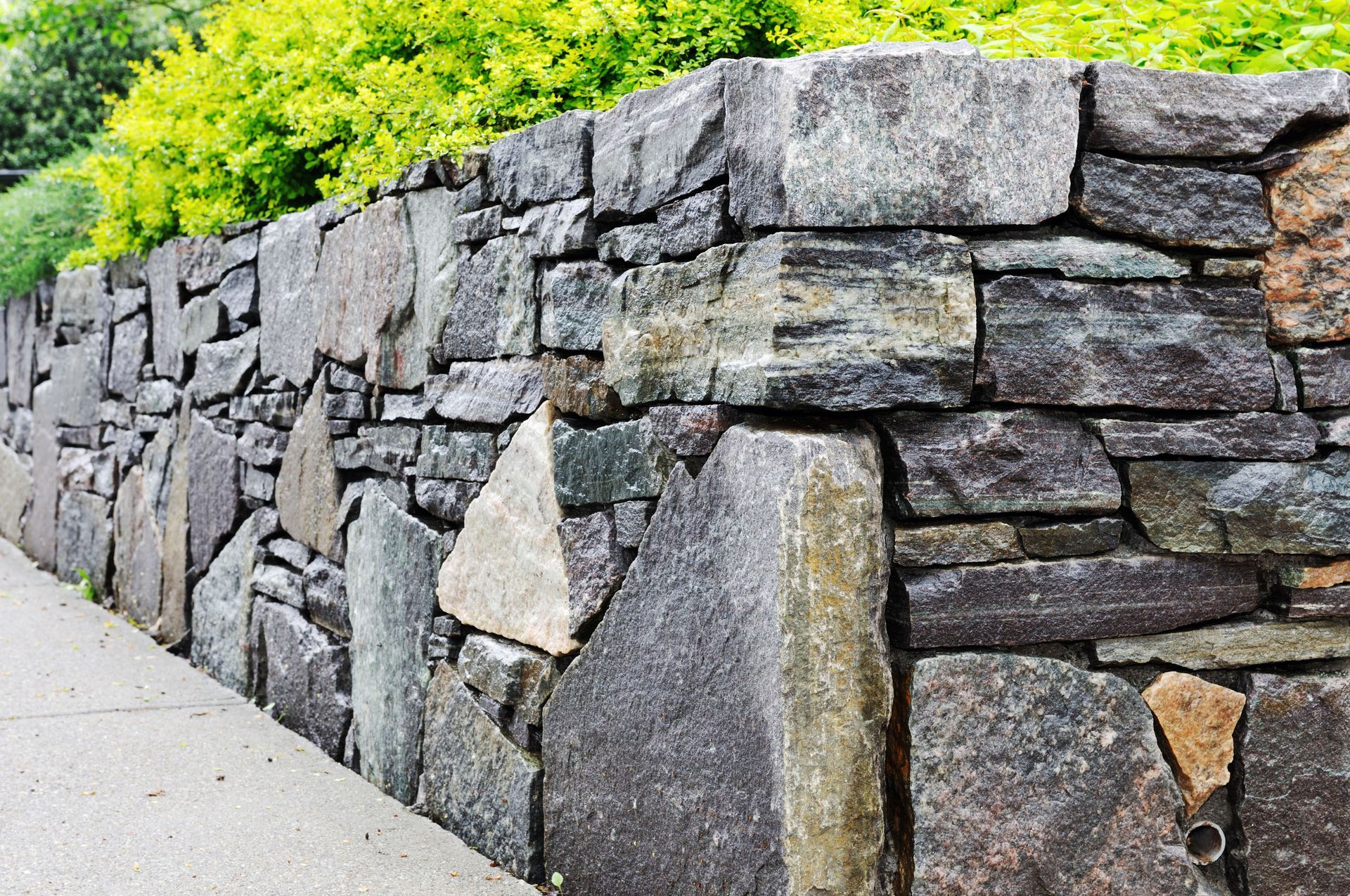
Creating a harmonious design between retaining walls and the natural environment is essential for enhancing landscape aesthetics. According to LawnStarter, retaining walls can boost curb appeal with both their appearance and functionality, potentially increasing home value by up to 15%. To achieve this, retaining walls should blend seamlessly with natural features such as foliage, rocks, and water bodies. This integration can be achieved through a considered selection of materials that reflect the surrounding environment. For instance, natural stone walls provide rustic charm and connect well with woodland settings. Concrete or manufactured stones can be sculpted and colored to mirror natural formations, creating visual continuity with the landscape.
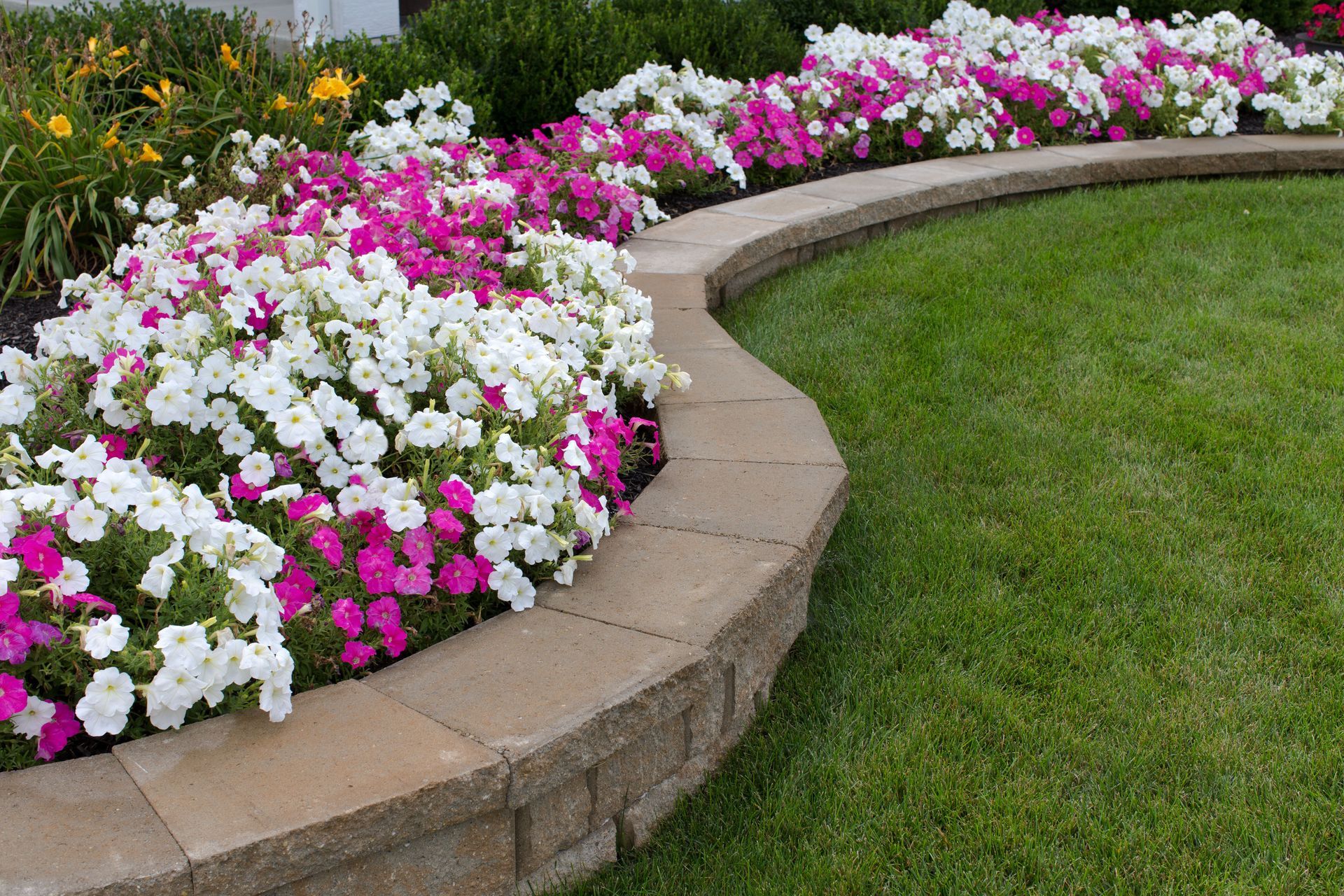
Design enhancements, such as planting native vegetation along the wall, can add layers of depth and texture. Choosing flora that complements the wall's design strengthens the unity of the landscape. It is also beneficial to incorporate variations in wall height, texture, and curves to mimic natural landforms. This replication of nature's distinctive patterns not only elevates the aesthetics but also improves the wall's adaptability to the environment. Such designs emphasize the beauty of a landscape, making it an attractive feature of any property.
Lighting elements can also be strategically placed along retaining walls to enhance aesthetic appeal during the night. Innovative lighting techniques accentuate the textures and forms of the walls, creating dramatic visual effects. This practice extends the usable hours of outdoor spaces and highlights the landscape's features. Integrating public art or mosaics into the design further personalizes and beautifies retaining walls. These artistic touches can turn functional structures into engaging points of interest within the landscape.
Retaining walls provide far more than visual appeal in a landscape. From preventing soil erosion and controlling water runoff to enhancing aesthetics and protecting home foundations, these structures deliver both practical and long-term benefits. When properly designed and installed, retaining walls transform challenging terrain into stable, functional outdoor spaces while safeguarding the structural integrity of the property.
For property owners, investing in a well-built retaining wall system can help preserve landscaping, improve drainage, and reduce the risk of foundation damage. The combination of structural support and thoughtful design ensures that retaining walls serve as both protective and attractive features in residential landscapes. Over time, this balance of function and form contributes to a more resilient property and a more enjoyable outdoor environment. Contact Gerber Construction today to discuss installing retaining walls and explore solutions tailored to your property. Whether you’re managing a sloped yard or looking to prevent future erosion, our professionals can help you create a durable and visually appealing landscape feature that stands the test of time!