May 7, 2026
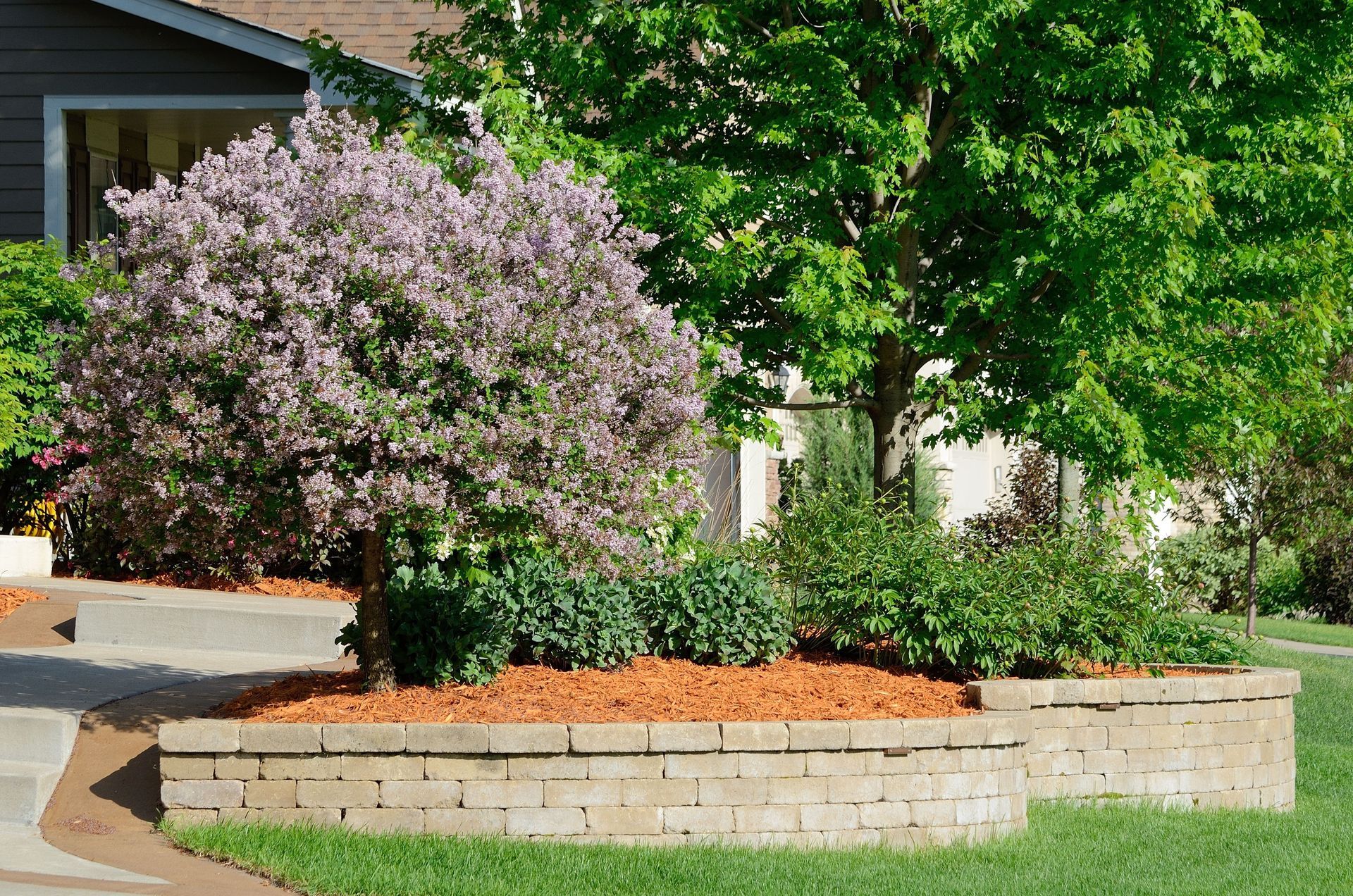
Landscaping in Western Pennsylvania comes with its own unique set of beautiful but demanding challenges. With our region's rolling hills, steep gradients, and unpredictable weather patterns, managing your property's terrain is often a top priority for homeowners and commercial property managers alike. When you need to hold back soil, prevent dangerous erosion, or carve out usable, flat space in a sloped yard, building a reliable retaining wall is an absolute necessity.
But when it comes time to plan your landscape project, you are immediately faced with a crucial, long-lasting decision: which building material should you use? While timber, natural stone, and block are all common options, concrete consistently stands out as the premier choice for both residential and commercial applications. At Gerber Construction, we have spent years perfecting the art of concrete hardscaping in the Pittsburgh area. We know firsthand that nothing quite matches the performance, resilience, and adaptability of concrete. In this comprehensive guide, we will explore seven compelling reasons why concrete should be the primary material you consider for your next landscape engineering project.
7 Reasons to Choose Concrete for Your Retaining Wall
1. Unmatched Durability and Structural Integrity
When you are dealing with tons of soil and the massive hydrostatic pressure from groundwater, strength is not just a luxury; it is a fundamental engineering requirement. The primary function of this hardscape feature is to hold back earth that would otherwise slide downward due to gravity. Concrete is renowned worldwide for its incredible compressive strength, making it uniquely suited to handle these massive, relentless environmental loads.
Unlike timber, which will inevitably warp or rot over time, or individual dry-stacked blocks that can easily loosen and shift under pressure, a solid poured concrete structure operates as a single, unified, monolithic barrier. This drastic reduction in weak points significantly lowers the chances of bowing or collapsing. Furthermore, when reinforced with internal steel rebar, concrete's tensile strength increases exponentially, allowing it to withstand extreme lateral earth pressures without failing. The longevity of this material is truly exceptional. According to This Old House, concrete and stone retaining walls have a lifespan of 50 to 100 years when adequately maintained. This means that when you invest in a professionally engineered concrete structure from Gerber Construction, you are making a generational investment in the safety and stability of your property.
2. Incredible Design Versatility and Aesthetics
There is a persistent, outdated misconception that concrete is purely utilitarian, evoking images of bleak, gray, industrial slabs that do nothing to enhance the beauty of a home. However, modern concrete technology has completely revolutionized the way this material looks and functions in landscape design. Today, a concrete retaining wall can be expertly customized to match virtually any architectural style or aesthetic preference you might have.
Through the use of advanced stamped concrete techniques, professional contractors can create surfaces that beautifully mimic the appearance of highly sought-after natural materials. You can achieve the look of flagstone, cobblestone, brick, or even weathered wood planks, but at a fraction of the cost and with much greater structural stability than those raw materials provide.
3. Outstanding Cost-Effectiveness Over Time
When evaluating the cost of any major home improvement project, it is essential to look far beyond the initial installation price and carefully consider the long-term return on investment. While some materials, like chemically treated timber, might offer a slightly lower upfront cost, they come burdened with hidden, long-term expenses. Timber requires frequent treatments, constant monitoring for rot, and eventually, complete structural replacement. Similarly, modular blocks can require costly releveling as the earth behind them settles and shifts.
On the other hand, the lifetime financial value of concrete is simply unbeatable. Because it requires virtually no maintenance, you will save countless hours of labor and thousands of dollars over the decades. You won't need to worry about replacing rotted boards, restacking fallen natural stones, or applying expensive chemical sealants year after year to prevent decay.
4. Superior Resistance to Weather and the Elements
In the Pittsburgh region, our outdoor structures are subjected to a harsh, highly variable, and often unforgiving climate. From the scorching, humid heat of mid-summer to the freezing, snow-covered depths of winter, your landscape materials take a severe beating. One of the greatest threats to outdoor masonry is the freeze-thaw cycle. Moisture seeps into the ground, freezes, expands, and then thaws, causing immense shifting and pressure against hardscaping.
Concrete is engineered to be highly resilient against these environmental stressors. When properly mixed, poured, and cured by the experts at Gerber Construction, high-quality concrete is designed to resist excessive moisture penetration. Furthermore, it is entirely impervious to pests like termites or carpenter ants, which are notorious for silently destroying wood structures from the inside out. It will not catch fire, it will not rust like metal reinforcements left exposed to the rain, and it will not biologically decompose.
5. Faster and More Efficient Installation
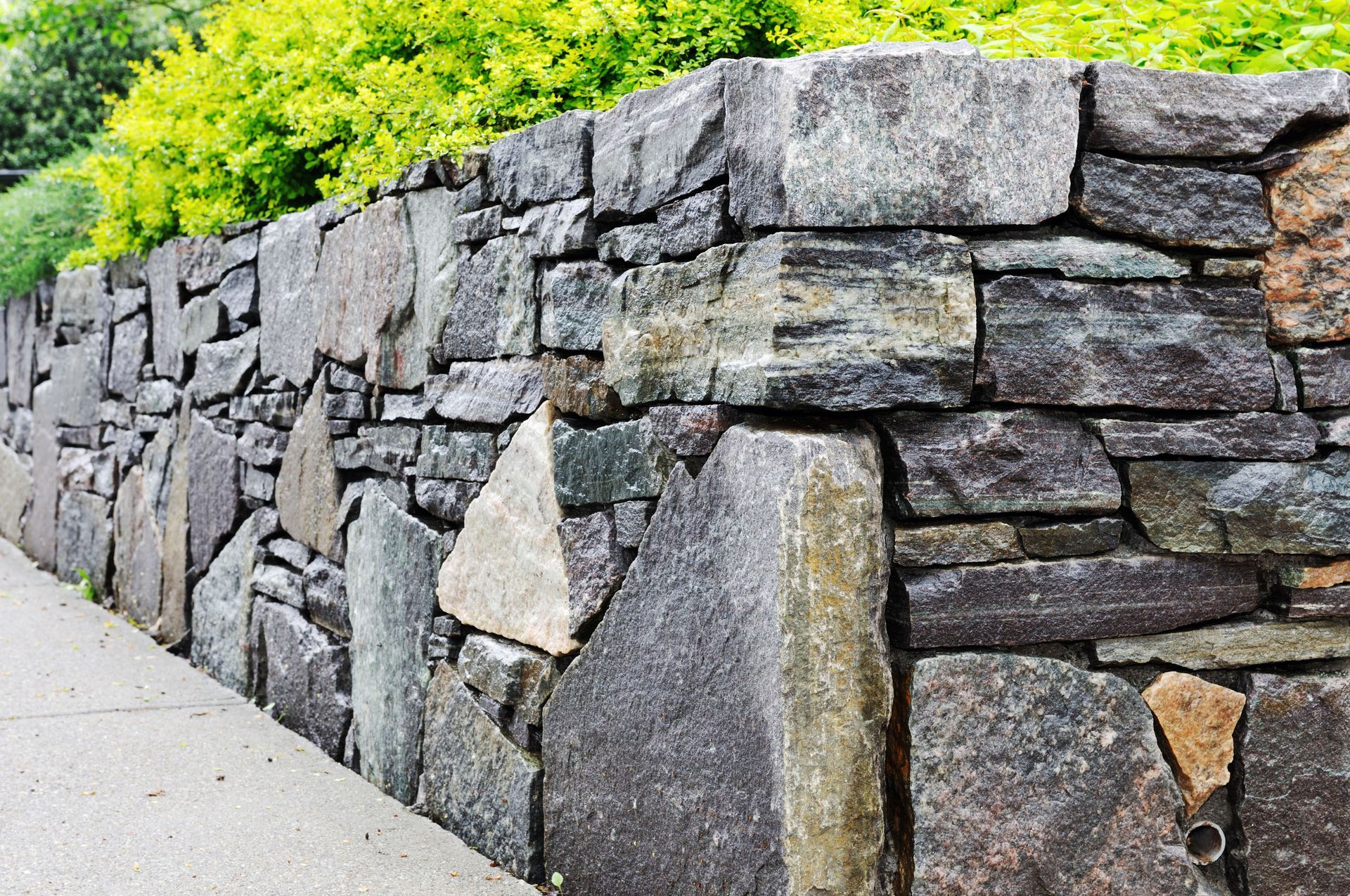
Building a strong, level, and aesthetically pleasing hardscape feature can be a time-consuming process that turns your yard into a construction zone for weeks. Traditional natural stone requires masons to painstakingly sort, chip, and dry-stack or mortar each individual piece by hand, a highly labor-intensive process that stretches project timelines and inflates labor costs.
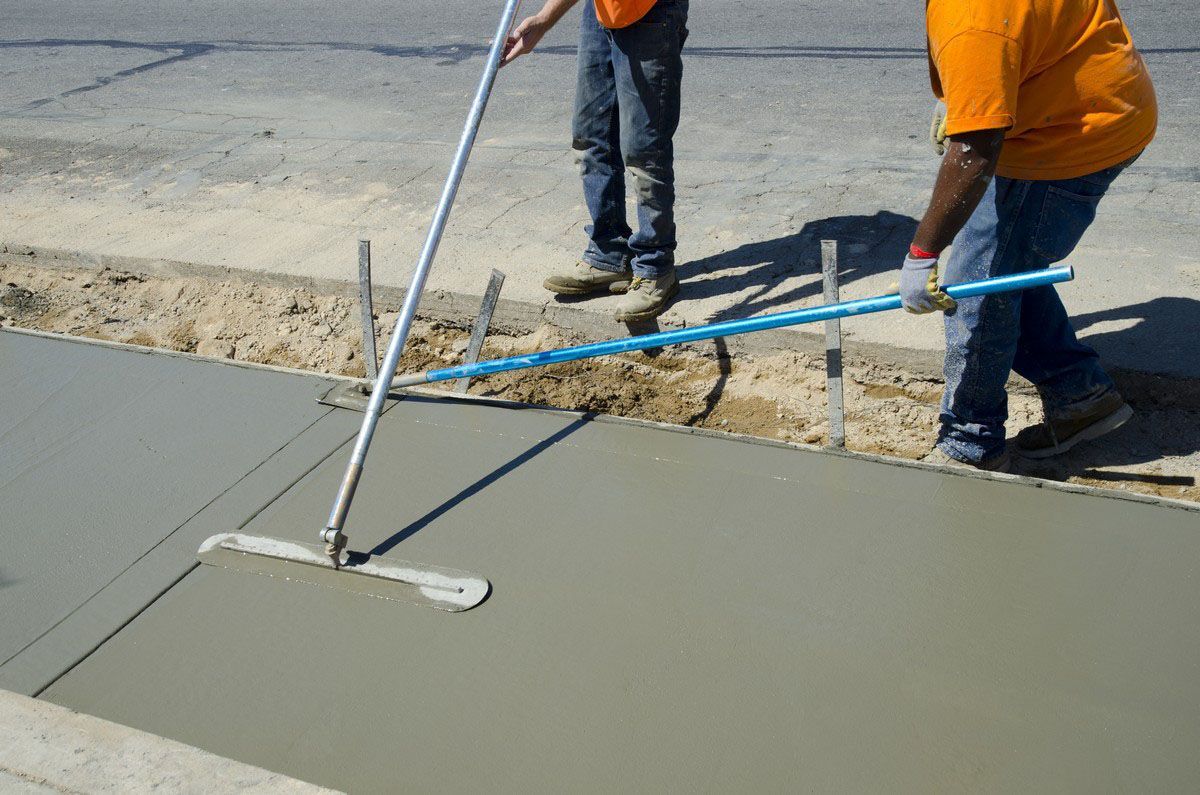
Conversely, pouring a concrete retaining wall is a highly streamlined and efficient process when executed by an experienced, well-equipped team. Once the site is excavated, the drainage base is prepared, and the wooden forms are securely built, the actual pouring of the concrete can be completed relatively quickly.
6. Seamless Integration with Other Hardscaping Features
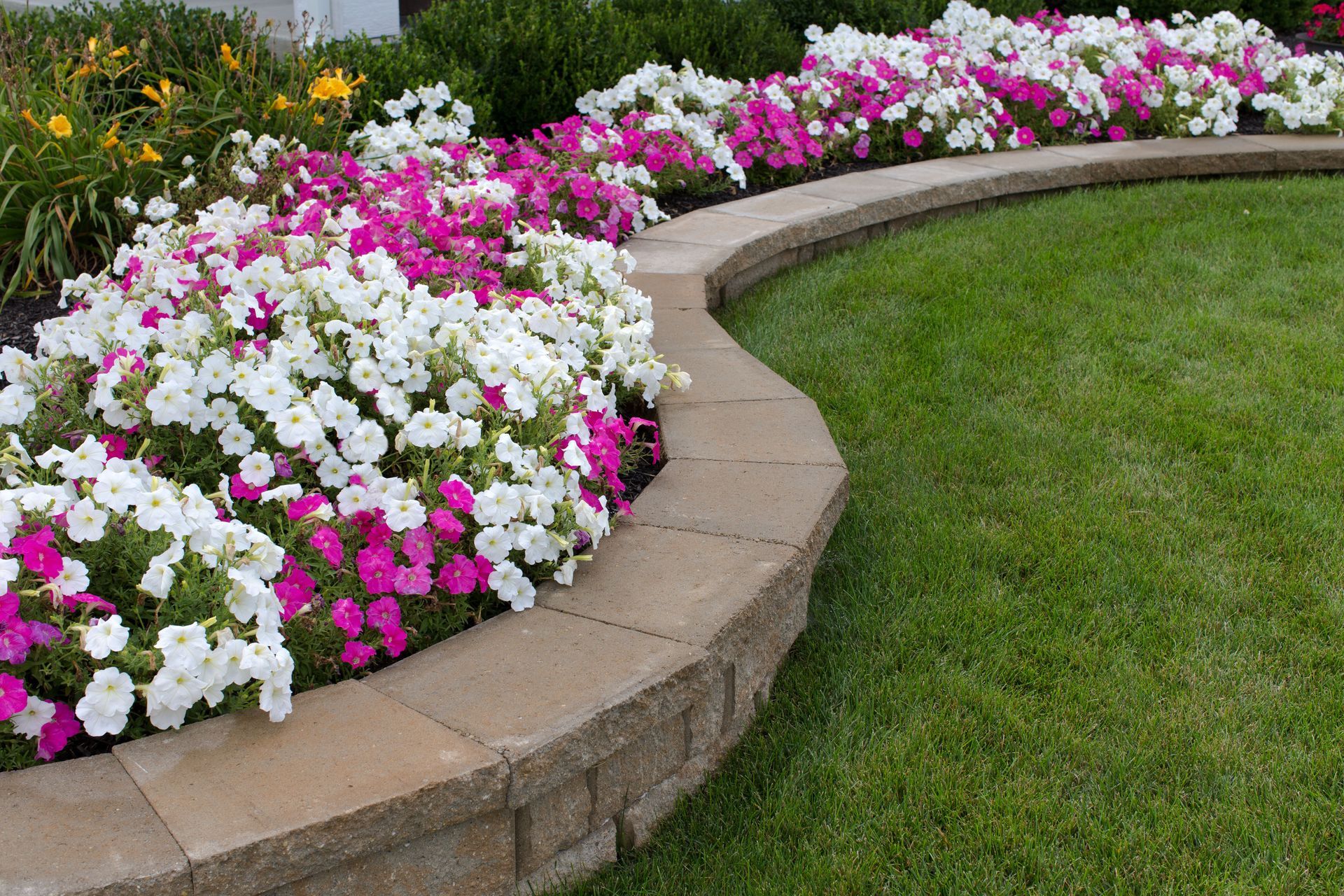
A beautifully designed, cohesive landscape is often a harmonious blend of several different elements: patios, walkways, pool decks, steps, and planting beds. Because concrete is poured and formed on-site in its liquid state, it offers unparalleled flexibility when it comes to integrating with these other features. If your yard requires a complex layout, such as a beautifully curved retaining wall that seamlessly transitions into a sweeping set of concrete stairs, this material is uniquely capable of accommodating that complex design.
Concrete can be custom-molded to fit any specific contour of your land, allowing for elegant, sweeping curves, sharp, modern right angles, or anything in between. It can also be easily designed to incorporate built-in seating for a fire pit area, integrated low-voltage landscape lighting, or custom permanent planters.
7. Significant Boost to Property Value and Curb Appeal
Ultimately, any major landscaping project should be viewed as an investment in the overall market value of your real estate. Potential homebuyers are highly perceptive when it comes to the structural integrity and aesthetic appeal of a property's exterior. A failing timber structure or a leaning, uneven pile of stones can be a major red flag, signaling potential soil drainage issues or impending, costly repairs that the buyer will have to shoulder.
Conversely, a professionally installed, visually striking concrete feature communicates a powerful sense of permanence, safety, and high-quality craftsmanship. It shows that the property has been meticulously cared for and that no expense was spared on critical structural infrastructure. Whether it is used to create an inviting, terraced front yard that dramatically boosts street-level curb appeal, or to maximize the usable square footage of a steep, previously inaccessible backyard, a well-built retaining wall provides a phenomenal return on investment. It physically transforms unusable, dangerous slopes into prime real estate for beautiful gardens, safe play areas, or luxurious outdoor entertaining spaces.
Top Concrete Contractors for Your Retaining Wall
Managing a sloped or hilly property doesn't have to be a constant headache or a drain on your finances. With the right materials and the right professional contractor, you can transform a challenging terrain into a secure, beautiful, and highly functional landscape that lasts a lifetime. From its incredible lifespan and unyielding structural strength to its endless custom design possibilities and long-term cost-effectiveness, concrete has proven itself time and time again as the absolute superior choice for hardscaping.
If you are ready to dramatically enhance your property's stability and curb appeal, trust the local experts who truly understand the unique demands of Western Pennsylvania landscapes. Contact Gerber Construction today to schedule a comprehensive consultation, and let our experienced team help you design, plan, and build the perfect retaining wall for your home or business. Your property deserves the strength, beauty, and longevity that only premium concrete can provide.