March 18, 2026
Spring brings longer days, warmer evenings, and a full calendar of outdoor gatherings. For homeowners who love to entertain, the patio becomes more than a backyard feature; it becomes the center of the experience. A well-designed outdoor entertainment area sets the tone for everything from casual cookouts to milestone celebrations.
For concrete contractors, this season highlights how strategic hardscaping transforms ordinary yards into functional, high-impact gathering spaces. Concrete patios and stone paver patios remain two of the most versatile and in-demand solutions for spring-ready outdoor living.
Building the Foundation for Outdoor Entertaining
Every successful spring party starts with a solid foundation. In outdoor design, that foundation is literal. The patio surface determines how guests move, where furniture sits, and how seamlessly the space functions.
Concrete and stone pavers provide structural integrity, weather resistance, and design flexibility. Unlike grass or gravel, these surfaces create level, stable ground for dining tables, lounge seating, outdoor kitchens, and fire features. Professionally installed hardscaping ensures proper grading, drainage, and load-bearing capacity, all of which are critical for long-term performance.
The market reflects this growing interest. According to Freedonia Group, demand for hardscaping products in the US is forecast to increase 3% per year to $5.1 billion in 2028. This sustained growth underscores a broader shift toward outdoor living investments that enhance both lifestyle and property value.
Designing for Flow and Functionality
An effective outdoor entertainment area is defined by flow. Guests should be able to move naturally between seating, dining, and activity zones without bottlenecks or awkward transitions. Concrete patios provide clean lines and adaptable layouts that support open-concept designs, making them ideal for hosting larger gatherings. Contractors can incorporate curved edges, multi-level elevations, and step transitions to subtly guide movement while adding visual interest.
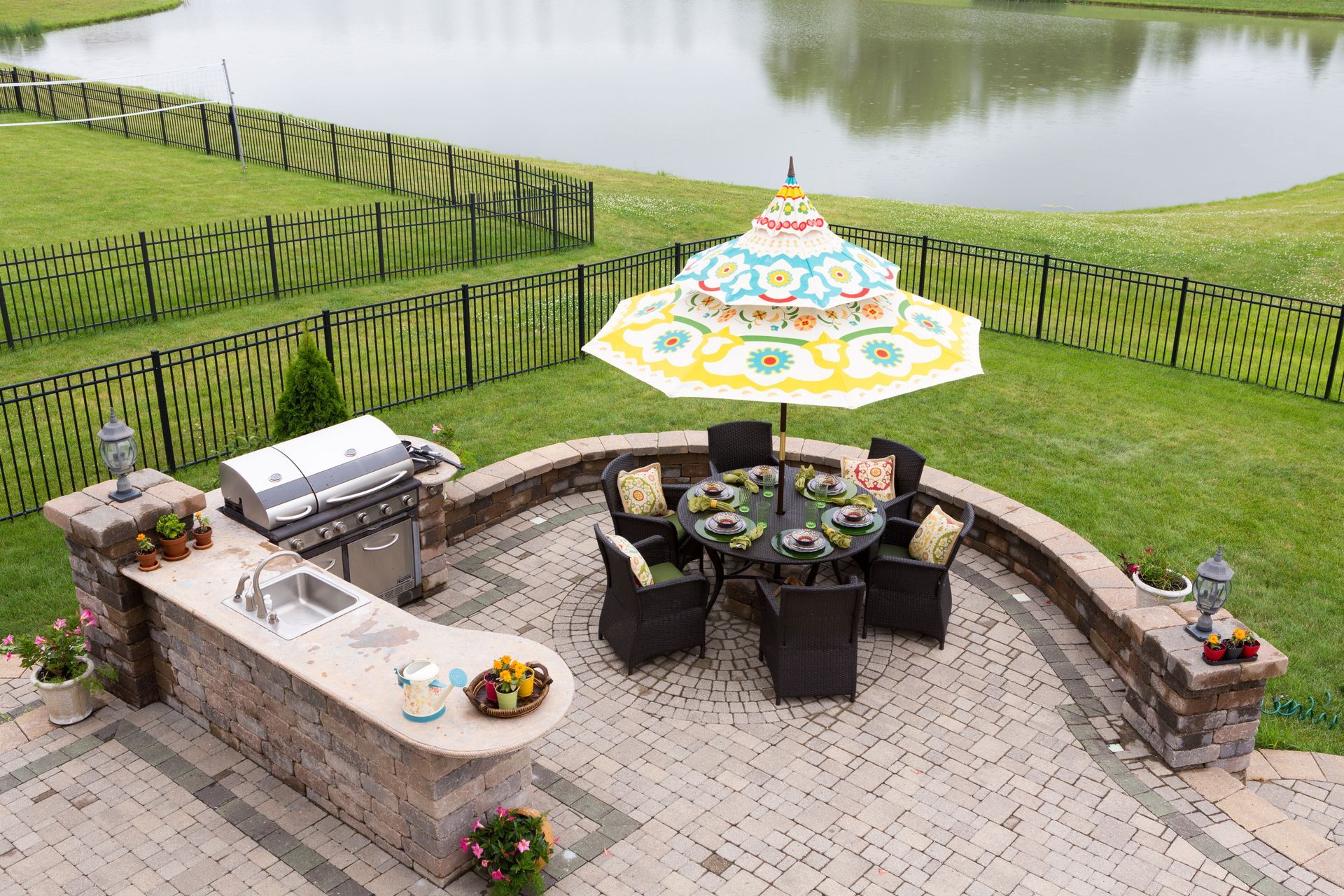
Stone paver patios offer a modular approach to layout that supports clearly defined zones. Changes in pattern, border accents, or color variations can visually distinguish grilling stations, bar areas, or fire features while maintaining a cohesive design. Well-planned hardscaping also accounts for what lies beneath the surface, including sub-base preparation, compaction, and edge restraints that keep the patio stable through freeze-thaw cycles and heavy foot traffic.
Choosing Materials That Balance Durability and Style
Material selection plays a central role in both performance and appearance. Spring weather can shift quickly, which makes durability essential for outdoor entertainment areas. Concrete remains one of the most versatile hardscaping materials available.
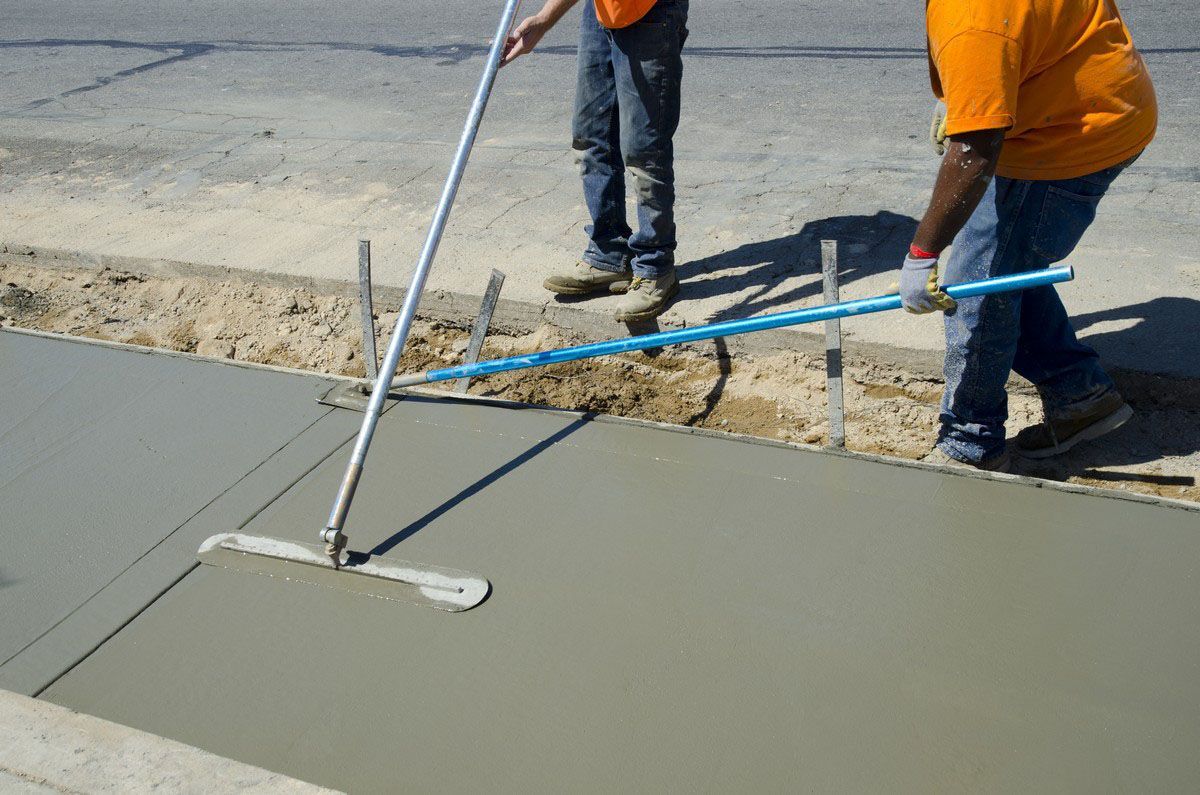
Modern finishing techniques allow contractors to create broom finishes that improve slip resistance, stamped patterns that replicate the look of natural stone or brick, and exposed aggregate surfaces that add texture and depth. Integral coloring and staining options provide customized tones that complement the home’s exterior. Concrete patios offer a seamless, contemporary appearance that works especially well with modern architecture and expansive layouts.
Stone pavers deliver a classic and refined look while maintaining exceptional strength. Whether using natural stone or manufactured concrete pavers, contractors can achieve a wide range of shapes, colors, and installation patterns. Because pavers are installed in individual units, they provide built-in flexibility. If ground movement occurs, specific sections can be adjusted without disturbing the entire surface.
For homeowners prioritizing long-term adaptability and upscale design, paver hardscaping offers both structural reliability and aesthetic sophistication. An experienced contractor evaluates soil conditions, climate patterns, intended usage, and architectural style before recommending the most appropriate material for the project.
Incorporating Features That Elevate the Experience
A patio alone creates usable square footage, but integrated features transform it into a destination for spring gatherings. Built-in seating walls create defined conversation areas and maximize available space. Fire pits and outdoor fireplaces extend usability into cooler evenings while serving as natural focal points.
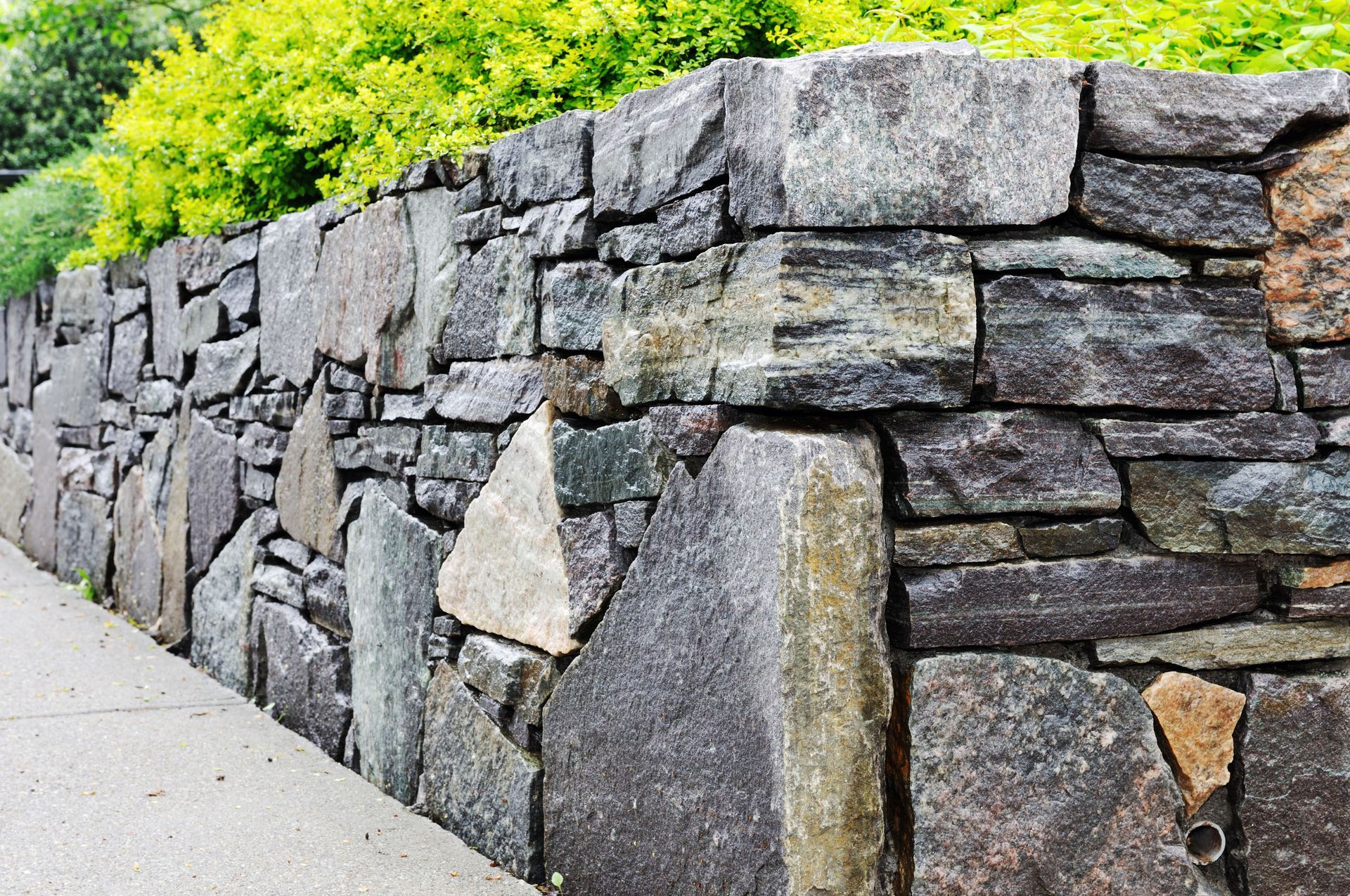
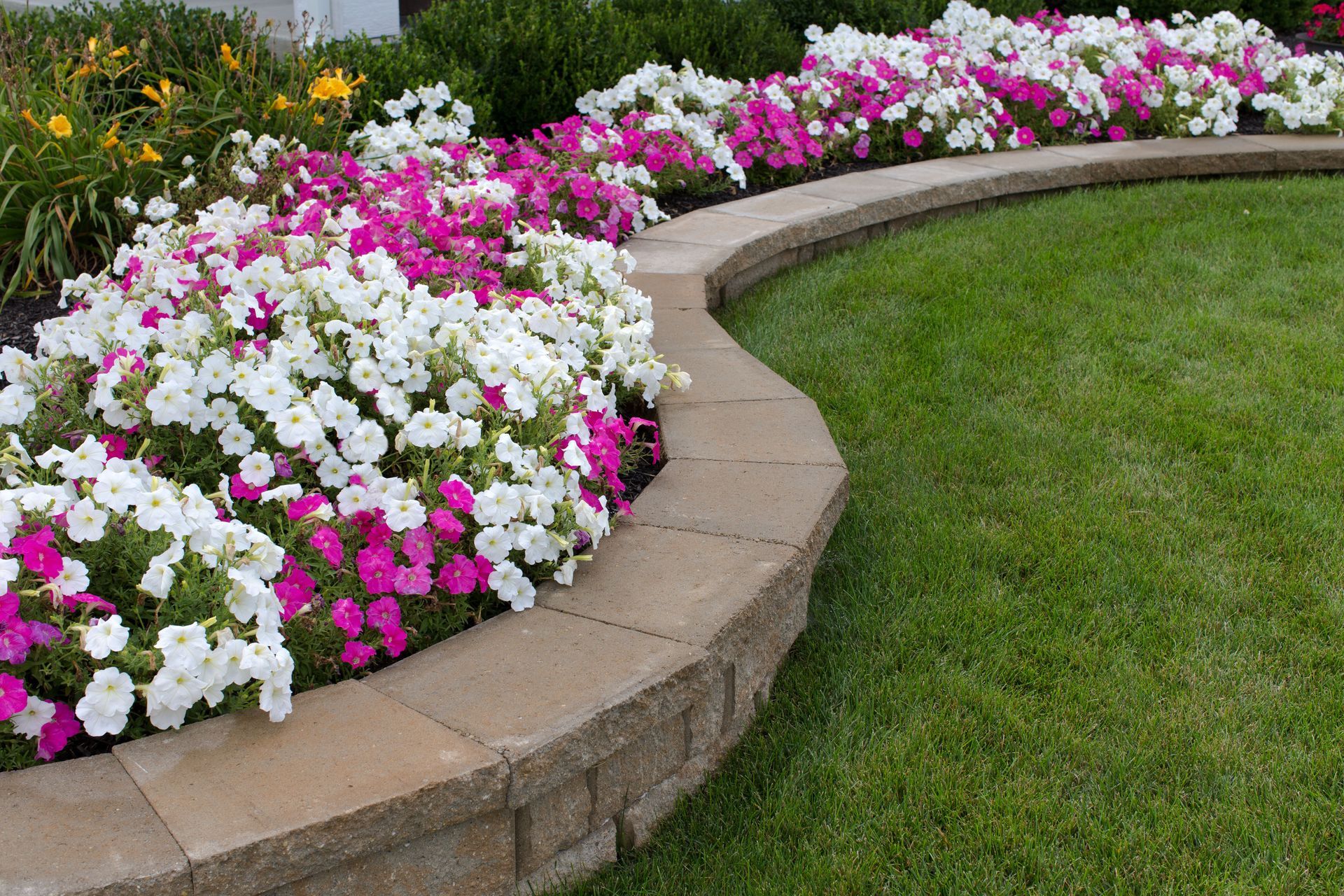
Integrated planters soften the hardscape with greenery, while retaining walls make sloped yards more functional and visually dynamic. Outdoor kitchens and grilling stations support effortless hosting, and thoughtfully designed pathways connect the patio to gardens, pools, or secondary seating areas.
Concrete provides structural strength for custom seating elements and monolithic fire features, while pavers adapt easily around curved layouts and detailed borders. Coordinated hardscaping ensures that these elements feel intentional and cohesive rather than added on over time. Texture, color, and pattern continuity reinforce a polished design.
Planning for Drainage and Seasonal Performance
A patio built for entertaining must be engineered for performance. Poor drainage can quickly undermine even the most visually appealing installation. Professional hardscaping design incorporates proper slope to direct water away from the home’s foundation and prevent pooling.
Where necessary, drainage channels can be installed to manage runoff efficiently. In some applications, permeable paver systems may be recommended to support improved water infiltration and environmental performance. Reinforced edges help prevent shifting and maintain structural integrity over time.
Spring rainfall and temperature fluctuations demand surfaces that resist cracking, heaving, and erosion. Concrete contractors understand local soil composition, frost depth requirements, and compaction standards. By tailoring installation methods to site-specific conditions, professionals ensure the patio remains stable and functional for years to come. Investing in professional installation reduces the risk of premature failure and protects the long-term value of the hardscaping investment.
Creating Cohesion with Landscaping and Architecture
Outdoor entertainment areas should feel like a natural extension of the home rather than a disconnected addition. The most successful hardscaping projects align with the property’s architectural style and surrounding landscape design.
For contemporary homes, smooth-finish concrete in neutral tones can create a streamlined and modern aesthetic. For traditional properties, textured pavers in warm, earthy colors may echo brick or stone façades. Transitions between the patio and adjacent walkways, steps, or retaining walls should be thoughtfully coordinated to maintain visual consistency.
When hardscaping integrates seamlessly with softscape elements such as lawns, shrubs, and ornamental plantings, the result is balanced and inviting. Guests experience the space as cohesive and intentional, which enhances both comfort and visual appeal during gatherings.
Maximizing Property Value Through Strategic Investment
Outdoor living spaces consistently rank among the most desirable features in residential real estate. A professionally designed patio enhances curb appeal, expands usable square footage, and increases overall property value.
Concrete and stone paver installations represent long-term investments. Their durability helps minimize maintenance concerns, while their aesthetic appeal elevates the home’s exterior presentation. From a return-on-investment perspective, professionally executed hardscaping delivers measurable financial value alongside everyday enjoyment.
As demand for outdoor living solutions continues to grow, professionally installed patios remain one of the most strategic exterior upgrades available to homeowners preparing for years of seasonal entertaining.
Partnering with Professionals for Lasting Results
Successful outdoor entertainment areas require technical skill, design insight, and precise installation practices. Concrete contractors bring essential knowledge to each project, including sub-base preparation standards, reinforcement techniques, expansion joint placement, paver compaction methods, and local code compliance requirements.
Professional hardscaping ensures that patios withstand years of seasonal change, heavy use, and environmental exposure. Inadequate installation can lead to cracking, uneven settling, or drainage failures that compromise both safety and appearance. Partnering with experienced professionals safeguards against these issues and ensures a durable, high-performing result.
Spring entertaining is about connection, comfort, and atmosphere. A thoughtfully designed concrete or stone paver patio provides the structure and functionality necessary to support memorable gatherings. If you are ready to enhance your outdoor entertainment area with beautifully crafted hardscaping, contact Gerber Construction today to schedule a consultation and begin planning your spring-ready patio!